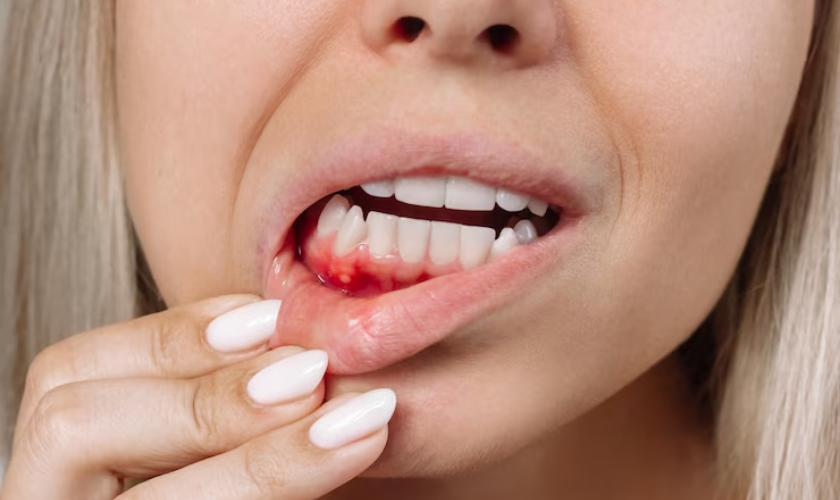
Seeing pink in the sink after brushing or flossing is alarming. Your heart races a bit, and you wonder: “Is this normal? Should I be worried?” The truth is, bleeding gums are your body’s way of sending you an urgent message—but it’s not a death sentence.
Thousands of Americans experience this exact moment every day. While it’s common, it’s definitely not something to brush off (pun intended). Bleeding gums are often the first sign of gingivitis, an early stage of gum disease that affects nearly half of adults over 30. The good news? When caught early, gingivitis is manageable, and you can take steps to support your gum health before it progresses into something more serious.
Let’s explore the five critical warning signs you shouldn’t ignore and what they’re really telling you about your oral health.
The 5 Warning Signs of Gum Disease
Your gums are remarkably resilient, but when they’re under attack from bacterial buildup, they start showing visible signs of distress. Here are the five red flags that indicate you need to take action:
1. Bleeding Gums (Especially During Flossing)
Healthy gums shouldn’t bleed when you brush or floss, even if you’re being thorough. If you notice blood regularly—whether it’s a little pink tinge or more obvious bleeding—your gums are inflamed and irritated.
This happens when plaque accumulates along the gum line, creating pockets where bacteria thrive. Your immune system responds with inflammation, which weakens the delicate gum tissue and makes it more prone to bleeding. While occasional minor bleeding might occur if you’re flossing too aggressively or haven’t flossed in a while, consistent bleeding is a clear warning sign.
2. Red, Swollen, or Puffy Gums
Take a moment to look at your gums in the mirror. Healthy gums should be firm and pale pink. If yours appear bright red, swollen, or puffy, that’s inflammation in action.
Gum inflammation, medically known as gingivitis, occurs when harmful bacteria multiply beyond what your mouth can naturally manage. The swelling you see is your body’s defensive response, flooding the area with immune cells to fight the bacterial invasion. If left unaddressed, this chronic inflammation can damage the tissues that support your teeth.
3. Persistent Bad Breath That Won’t Go Away
We all experience morning breath, but if you have persistent bad breath (halitosis) that doesn’t improve after brushing, it’s often related to gum health. The odor comes from sulfur compounds produced by bacteria thriving in the pockets around your gums.
No amount of mints or mouthwash will truly solve this problem because you’re treating the symptom, not the cause. The bacterial imbalance creating the odor needs to be addressed at its source through proper oral hygiene and professional care.
4. Receding Gums or Teeth That Appear Longer
Have you noticed that your teeth seem longer than they used to be? This isn’t your teeth growing—it’s your gums pulling away from them. Gum recession exposes the roots of your teeth and creates even more spaces for bacteria to accumulate.
Recession can happen gradually, making it easy to miss until it becomes noticeable. It’s often accompanied by increased tooth sensitivity since the exposed root surfaces aren’t protected by enamel. This is a sign that gum inflammation has been present for some time and needs attention.
5. Tender or Painful Gums When Eating
If your gums feel tender when you eat, especially crunchy or hard foods, that’s another indication of inflammation. Healthy gums can handle normal chewing without discomfort. Pain or tenderness suggests the tissue is compromised and struggling to do its job of protecting and supporting your teeth.
This discomfort often leads people to avoid certain foods or change their chewing patterns, which can create additional dental problems over time.
The Root Cause: Your Oral Microbiome Is Out of Balance
So what’s really happening inside your mouth? The answer lies in understanding your oral microbiome—the complex community of bacteria living in your mouth at all times.
Your mouth contains hundreds of bacterial species, and most of them are actually beneficial. These good bacteria help protect your teeth and gums, maintain a healthy pH balance, and keep harmful bacteria in check. When everything’s balanced, your gums stay healthy and resilient.
However, poor oral hygiene, diet high in sugars, smoking, stress, and certain medications can disrupt this delicate balance. When harmful bacteria outnumber the beneficial ones, they form sticky plaque along your gum line. This plaque irritates the gum tissue and triggers the inflammatory response that causes all those warning signs we just discussed.
The inflammation you’re experiencing isn’t just a cosmetic issue. Research suggests that chronic gum inflammation may be associated with other health concerns throughout the body. That’s why addressing these warning signs early is so important—you’re not just protecting your smile, you’re supporting your overall wellness.
What You Can Do Right Now
If you’re experiencing any of these warning signs, don’t panic—but do take action. Here are steps you can start today to help manage gum inflammation and support your gum health:
Switch to a Soft-Bristled Toothbrush
Hard bristles can actually damage already-inflamed gum tissue and accelerate recession. A soft-bristled brush is gentler while still effectively removing plaque. Use small, circular motions and angle the brush at 45 degrees toward the gum line.
Floss Daily (But Gently)
Yes, even if it causes some bleeding initially. The bleeding should decrease as inflammation reduces with consistent, gentle flossing. Use a clean section of floss for each tooth and curve it into a C-shape around each tooth to clean below the gum line.
Try Warm Saltwater Rinses
Mix half a teaspoon of salt into a cup of warm water and swish it around your mouth for 30 seconds twice daily. Salt has natural properties that may help soothe inflamed tissue and create an environment less favorable for harmful bacteria.
Evaluate Your Diet
Reduce sugary snacks and drinks that feed harmful bacteria. Instead, eat crunchy vegetables that naturally clean teeth and foods rich in vitamin C to support gum tissue health.
Consider Your Oral Microbiome Health
Supporting the beneficial bacteria in your mouth through proper hygiene and, when appropriate, dental probiotics designed for oral health, can help promote a more balanced bacterial environment. This approach targets the root cause rather than just managing symptoms.
See Your Dentist
This is non-negotiable. If you’re experiencing persistent bleeding, pain, or any of the warning signs we discussed, schedule a dental appointment. Your dentist can perform a professional cleaning to remove tartar (hardened plaque) that you can’t eliminate at home and assess whether you need additional treatment.
Why Early Action Matters
Gingivitis is reversible when caught early. With improved oral hygiene and professional care, you can help manage inflammation and support your gums in returning to a healthier state. However, if ignored, gingivitis can progress to periodontitis, a more serious form of gum disease that can lead to bone loss, tooth loss, and other complications.
The sooner you address these warning signs, the better your chances of preventing progression. Think of it like catching a small leak before it becomes a flood—early intervention is always easier and more effective than waiting until the problem is severe.
Your Gums Deserve Attention
Your gums do the critical job of supporting and protecting your teeth every single day. When they’re crying out for help through bleeding, swelling, or pain, listening to those signals and taking action is the best thing you can do for your long-term oral health.
Remember, experiencing these warning signs doesn’t mean you’ve failed at oral care—it means your body is communicating with you. By responding with improved hygiene, professional support, and lifestyle adjustments, you can help manage gum inflammation and work toward healthier gums.
Don’t let embarrassment or fear keep you from seeking help. Dentists see bleeding gums every single day, and they’re equipped to help you address the problem effectively.
Frequently Asked Questions
Is it normal for gums to bleed when I start flossing again after a long break?
Some temporary bleeding can occur when you resume flossing after a period of not doing so, as your gums may be slightly inflamed from plaque buildup. However, this bleeding should decrease significantly within a week of consistent, gentle flossing. If bleeding continues beyond 7-10 days or worsens, schedule a dental appointment to assess your gum health.
Can bleeding gums go away on their own without treatment?
Bleeding gums typically won’t resolve without addressing the underlying cause—bacterial plaque buildup. While your body can heal inflamed tissue, it can only do so once you remove the source of irritation through proper brushing, flossing, and professional cleanings. Ignoring the problem usually allows it to worsen rather than improve.
How long does it take to see improvement in gum health?
With consistent proper oral hygiene, many people notice reduced bleeding and less gum sensitivity within 1-2 weeks. More significant improvements in gum appearance and firmness typically occur over 4-6 weeks. However, the timeline varies based on the severity of inflammation and how consistently you maintain your oral care routine. Your dentist can provide a more specific timeline based on your individual situation.